
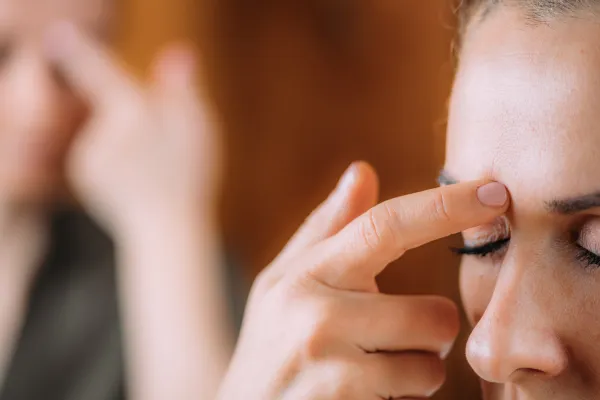
What Is Tapping (EFT) and How Does It Calm Anxiety?
In a world where stress, worry, and anxious thoughts seem to follow us everywhere, more people are turning to simple mind-body techniques that help restore calm without overwhelming the nervous system. One of the most effective and beginner-friendly tools is Tapping, also known as Emotional Freedom Techniques (EFT).
Tapping blends the principles of ancient Chinese acupressure with modern psychology. It uses your fingertips to gently tap on specific meridian points on the body while focusing on thoughts or emotions you want to shift. The result is a calmer mind, a more regulated nervous system, and relief from overwhelming emotions, often within minutes.
If you’re new to Tapping, this guide will walk you through what it is, how it works, and why so many therapists, coaches, and individuals use it for anxiety relief.
What Is EFT Tapping?
EFT Tapping is a self-help technique that involves lightly tapping on nine specific acupressure points on the face and upper body while acknowledging what you’re feeling. These tapping points correspond to meridian lines used in traditional Chinese medicine, which are believed to influence the flow of energy in the body.
EFT has two main components:
1. Somatic stimulation – tapping on meridian points to send calming signals to the brain.
2. Cognitive focus – naming the emotion, thought, or memory that’s causing distress.
The combination helps reduce the intensity of negative emotions while promoting clarity and emotional balance.
Practitioners often describe it as a psychological version of acupuncture without the needles.
How Does Tapping Calm Anxiety?
1. It Helps Regulate the Nervous System
When you're anxious, your body activates the fight-or-flight response, releasing stress hormones like cortisol and adrenaline. Tapping stimulates acupressure points that send soothing signals to the amygdala, the brain’s alarm center.
Research shows that EFT can significantly reduce cortisol levels, helping the body shift out of stress mode and into a calmer, grounded state.
2. It Interrupts the Cycle of Negative Thoughts
Anxiety is often fueled by intrusive thoughts or “what if” spirals. EFT uses cognitive statements (“Even though I feel anxious…”) combined with tapping to disrupt these loops. This makes it easier to think clearly and respond instead of react.
3. It Creates Safety in the Body
Many people with anxiety feel disconnected from their bodies or overwhelmed by their emotions. Tapping offers gentle, physical reassurance. The repetitive tapping motions can feel grounding, comforting, and safe, similar to rhythmic soothing techniques used in trauma-informed practices.
4. It Supports Emotional Processing
Instead of pushing your feelings down, EFT invites you to acknowledge them in a structured, compassionate way. This makes emotional processing less intimidating and more empowering.
The Basic Tapping Sequence
Although there are advanced variations, most people start with a simple sequence that includes:
Step 1: Identify the issue
What are you anxious or worried about?
Example: “I feel overwhelmed by everything I have to do.”
Step 2: Rate your intensity
On a scale of 0-10, how strong is the feeling?
Step 3: Create a setup statement
This usually follows the structure:
“Even though I feel (emotion), I deeply and completely accept myself.”
Or, for trauma-sensitive clients:
“Even though I feel (emotion), I’m open to feeling calm and supported.”
Step 4: Tap through the points
While repeating a reminder phrase (“this anxiety,” “this overwhelm,” etc.), tap 6-8 times on each point:
Karate Chop Point (side of the hand)
Eyebrow
Side of the Eye
Under the Eye
Under the Nose
Chin
Collarbone
Under the Arm
Top of the Head
Use two fingers and gentle pressure.
Step 5: Check in again
Rate your intensity. Most people experience a noticeable shift within a few rounds.
What Does EFT Feel Like?
Every person responds differently, but common sensations include:
A sense of relief or release
Slower breathing
Clearer thinking
Reduced tension in the chest or stomach
Feeling more grounded or “back in the body”
Some people even report experiencing yawning, sighing, or feeling lighter, which are signs that their nervous system is regulating.
Why Many Therapists and Coaches Use Tapping
EFT is widely used because it is:
Gentle – It doesn’t force you to relive painful experiences.
Accessible – You can use it anytime, anywhere; no equipment needed.
Fast – Many people notice shifts in minutes.
Evidence-based – Studies have shown that EFT can lower cortisol levels, reduce anxiety, and improve emotional well-being.
Empowering – Clients learn to regulate their emotions between sessions.
Because of its safety and versatility, EFT is often used for:
Anxiety and panic
Worry and rumination
Negative self-talk
Stress
Grief
Trauma responses (with trained practitioners)
Limiting beliefs
Confidence building
Is EFT Safe for Everyone?
For most people, yes, EFT is extremely safe and non-invasive. However:
People with complex trauma should work with a trained EFT practitioner or therapist.
If strong emotions surface, it’s okay to pause and ground yourself.
EFT is not a replacement for medical care or therapy, but can be a powerful complement.
Tapping offers a compassionate, practical way to quiet anxiety, soothe the nervous system, and reconnect with a sense of calm. Whether you're dealing with everyday stress or deeper emotional patterns, EFT provides a tool you can use anytime—your own hands, your breath, and your awareness.
With practice, Tapping can become a daily wellness ritual that brings clarity, emotional resilience, and a deeper sense of safety in your body.

ABOUT US

Jeanne Prinzivalli
Therapist + Coach
I help ambitious, anxious women learn how to trust and put themselves first, so they can stop burning themselves out trying to meet other people's expectations.




SELF CARE CONTINUUM
CLIENT LINKS
LET'S CONNECT
Let’s get you started on relief from self-sabotaging patterns so you can move forward with your life and career passions.
Self Care Continuum Copyright © 2023.