
Self help blog
Check out our blogs! Get valuable information, tips and tricks for dealing with anxiety, overcoming depression and overall self-care!
Self help blog
Check out our blogs! Get valuable information, tips and tricks for dealing with anxiety, overcoming depression and overall self-care!
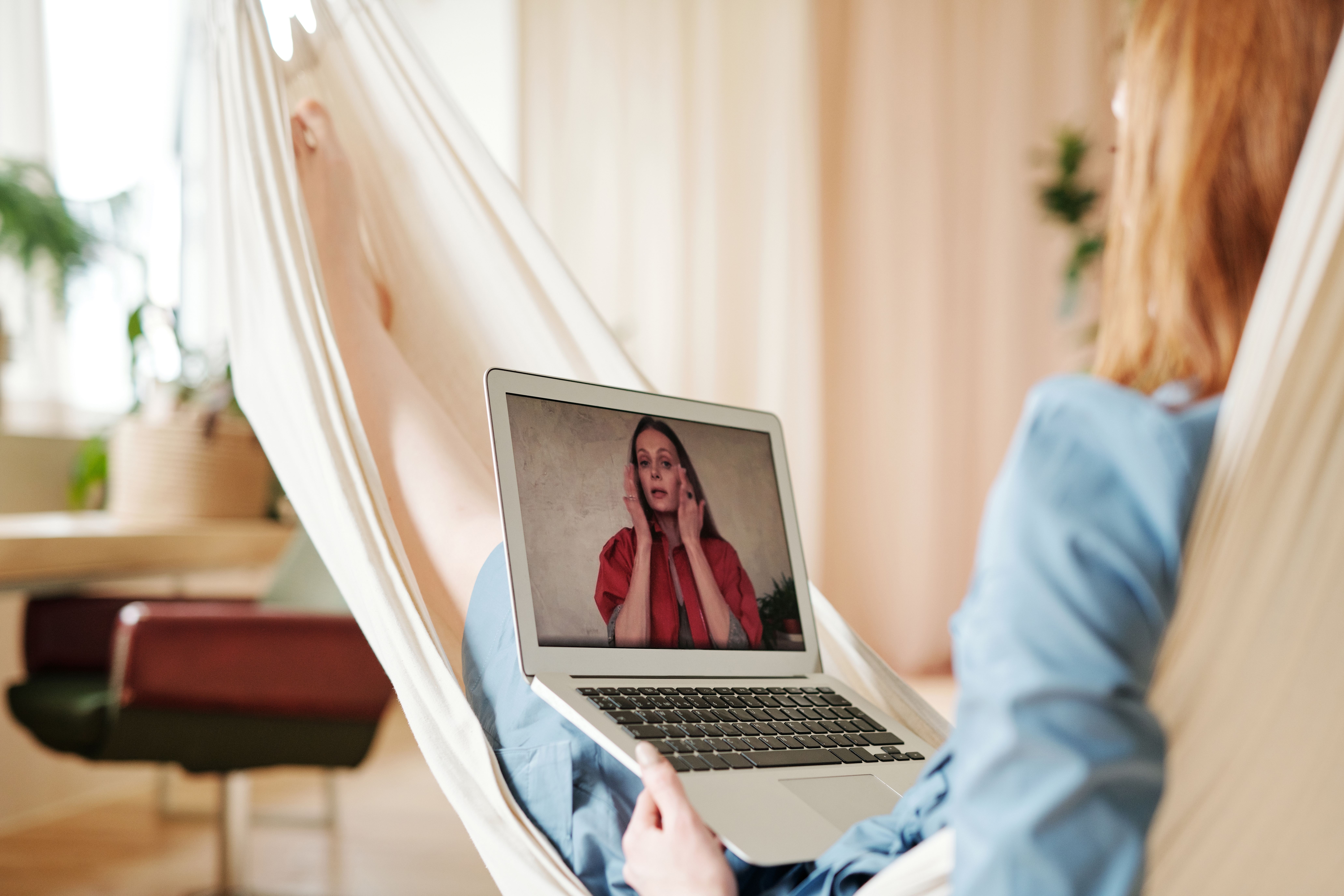
Online Therapy in California: How It Works, What It Costs, and How to Find the Right Fit
Life in California moves fast. Between long commutes, demanding work schedules, family responsibilities, and everything in between, carving out time to drive across town to a therapist's office can feel almost impossible. That's a big reason so many people are now exploring online therapy California residents can access from home, the office, or anywhere private.
If you've never tried virtual therapy before, you probably have questions. How does it actually work? Is it as effective as sitting in a room with someone? What will it cost? And how do you find a therapist you genuinely connect with? This guide walks you through each of these so you can make a confident, informed decision about your care.
What Is Online Therapy?
Online therapy (also called teletherapy or telehealth counseling) is professional mental health care delivered through a secure video platform instead of a physical office. You meet with a licensed therapist in real time, face to face on screen, for sessions that typically last around 50 minutes, the same length as traditional in-person therapy.
It isn't a chatbot, a self-help app, or a text-only service. It's the same evidence-based care you would receive in an office: a trained clinician who listens closely, asks thoughtful questions, and helps you work through what's going on using proven approaches such as cognitive behavioral therapy (CBT), emotionally focused therapy, and mindfulness-based techniques.
People seek virtual therapy for the same reasons they seek any kind of therapy, including:
Anxiety, stress, and feeling overwhelmed
Depression or persistent low mood
Burnout and work-life imbalance
Relationship and communication challenges
Life transitions, grief, and loss
Self-esteem, confidence, and personal growth
Does Online Therapy Really Work?
This is one of the most common questions, and it's a fair one. Research over the past decade has consistently found that video-based therapy is effective for a wide range of concerns, including anxiety and depression, with many clients seeing outcomes comparable to in-person sessions.
Virtual sessions also remove several barriers that make it hard to stay consistent, and consistency is one of the biggest drivers of progress in therapy. There's no traffic to fight through, no waiting room, and no rushing back to work afterward. Many clients also find it easier to open up from a space where they already feel comfortable.
That said, virtual therapy isn't the right fit for everyone. If you're in crisis, need a higher level of care, or don't have a private place to talk, a therapist can help you decide whether another option would serve you better.
How Online Therapy Works: Step by Step
Getting started is usually simpler than people expect. Here's what the process typically looks like at Blossom Wellness Counseling:
Book a free consultation. A short, no-pressure call gives you a chance to share what's bringing you in, ask questions, and get a feel for the practice.
Get matched with a therapist. Instead of being assigned to whoever has the next open slot, you're matched with a therapist based on your concerns, goals, and preferences.
Complete intake online. You'll fill out secure intake forms, including consent for telehealth services, so your therapist understands your background before you meet.
Join your first session. You'll receive a private video link. All you need is a device with a camera, a stable internet connection, and a quiet, private space.
Continue with regular sessions. Most clients meet weekly or every other week, adjusting the rhythm as they make progress.
Why Location and Licensing Matter
This is an important detail many people don't realize. In California, a therapist providing care must hold a valid California license, and you generally need to be physically located in California during your sessions. That means a therapist licensed only in another state can't legally treat you, even over video.
California licenses you may see include:
LMFT – Licensed Marriage and Family Therapist
LCSW – Licensed Clinical Social Worker
LPCC – Licensed Professional Clinical Counselor
Licensed Psychologist (PhD or PsyD)
You can verify a therapist's license through the California Board of Behavioral Sciences or the Board of Psychology. And if you're planning to travel out of state, let your therapist know ahead of time so you can plan around it.
What Does Online Therapy Cost in California?
The cost of online therapy California practices charge varies based on the therapist's license, experience, and specialty, as well as the type of session. Private-pay individual sessions in California commonly range from roughly $120 to $250 or more, and couples sessions often cost a bit more because they tend to be longer or more specialized.
Using Insurance and Superbills
Some therapists are in-network with insurance plans, but many private practices, including Blossom Wellness Counseling, work on a self-pay basis and provide a superbill. A superbill is a detailed receipt you can submit to your insurance company to request reimbursement through your out-of-network benefits.
Before you start, it helps to call your insurer and ask:
Do I have out-of-network mental health benefits?
What is my out-of-network deductible, and how much have I met?
What percentage of each session will be reimbursed?
Are telehealth sessions covered the same way as in-person sessions?
Paying privately also gives you more flexibility to choose a therapist who truly fits you, rather than being limited to whoever is in your insurance network.
The Hidden Savings
When comparing costs, don't forget what you save by skipping the office: gas, parking, commute time, and time away from work. For busy professionals and parents, reclaiming that hour can make ongoing care far more sustainable.
How to Find the Right Fit
Research consistently shows that the relationship between you and your therapist is one of the strongest predictors of success in therapy. Credentials matter, but so does how comfortable, understood, and supported you feel.
When comparing options for online therapy California residents should keep these points in mind:
Look for relevant experience. If you're dealing with anxiety, relationship stress, or burnout, find someone who works with those concerns regularly.
Consider their approach. Some therapists are more structured and skills-focused, while others are more exploratory. Neither is better; it depends on what you need.
Notice how the consultation feels. Do you feel heard? Are your questions answered clearly? Your gut reaction is useful information.
Ask direct questions. Try: "How do you usually work with someone in my situation?" or "What might progress look like in the first few months?"
Confirm the practical details. Check licensing, session availability, the video platform used, and the cancellation policy.
Give it a few sessions. The first session is often about getting to know each other. If it still doesn't feel right after a few meetings, it's okay to ask about working with someone else.
This is exactly why Blossom Wellness Counseling focuses on personalized therapist matching. Taking time upfront to pair you with the right person means less trial and error and a stronger start.
Tips for Getting the Most Out of Virtual Sessions
A little preparation goes a long way:
Choose a private, quiet space where you won't be overheard.
Use headphones for better sound and added privacy.
Test your camera, microphone, and connection before your first session.
Log on a few minutes early so you can settle in.
Jot down thoughts or questions between sessions to bring up next time.
Your Next Step Starts With One Conversation
Finding online therapy California residents can genuinely rely on doesn't have to be complicated. With a licensed therapist, a secure video connection, and the right match, you can get meaningful support without rearranging your entire life to make it happen.
At Blossom Wellness Counseling, we take the guesswork out of the process by matching you with a California-licensed therapist who fits your needs, goals, and personality, so you can focus on feeling better.
Book your free 15-minute consultation now

ABOUT US

Jeanne Prinzivalli
Therapist + Coach
I help ambitious, anxious women learn how to trust and put themselves first, so they can stop burning themselves out trying to meet other people's expectations.




SELF CARE CONTINUUM
CLIENT LINKS
LET'S CONNECT
Let’s get you started on relief from self-sabotaging patterns so you can move forward with your life and career passions.
Self Care Continuum Copyright © 2023.